 Skip to content

Landscape lighting plays an important role in both the beauty and functionality of an outdoor space. Well-placed garden lights and pathway fixtures enhance curb appeal, improve safety around walkways, and highlight architectural and landscape features after sunset. However, many homeowners eventually begin to wonder: How Often Should I Change Landscape Lights?
The answer depends on several factors, including the type of bulbs installed, the age of the fixtures, weather exposure, plant growth, and the level of landscape light maintenance performed over time. In general, homeowners should inspect their outdoor lighting systems at least once a year to evaluate brightness, positioning, and overall system condition. While you may not need to completely change outdoor lights annually, regular inspections often reveal when landscape lights replacement or adjustments are necessary.
Over time, even high-quality systems experience wear. Bulbs can dim or burn out, fixtures may shift due to soil movement, and plants can grow large enough to block beams. Without proper landscape lighting care, these issues gradually reduce the effectiveness of the lighting design. This is why many professionals recommend following a consistent landscape light schedule that includes periodic inspection, cleaning, and occasional changing landscape lights when components begin to age.
Understanding the frequency of changing landscape lights helps homeowners maintain a well-lit, attractive property while avoiding unnecessary replacements. In the sections that follow, we’ll explore how often landscape lights typically need attention, what signs indicate it’s time for a landscape light change, and how proper landscape light maintenance can significantly extend the lifespan of your outdoor lighting system.

The Short Answer: How Often Should I Change Landscape Lights?
Many homeowners ask How Often Should I Change Landscape Lights, especially when their outdoor lighting begins to look dim, uneven, or less effective than when it was first installed. The short answer is that there is no single fixed timeline for every system. The frequency of changing landscape lights depends on several factors, including the type of bulbs used, the quality of the fixtures, environmental conditions, and how consistently the system receives landscape light maintenance.
In general, most outdoor lighting systems benefit from a routine inspection at least once per year. This inspection allows homeowners to evaluate brightness levels, check for damaged fixtures, and ensure that garden lights are still properly aimed at the landscape features they are meant to highlight. However, inspection does not always mean replacement. In many cases, the system simply needs cleaning, repositioning, or minor adjustments.
Over time, plants grow, soil shifts, and weather conditions affect how lighting performs. As a result, even a well-designed system may require periodic adjustments to maintain the original lighting effect. This is why professionals often recommend following a regular landscape light schedule that combines inspections, adjustments, and occasional landscape lights replacement when components begin to wear out.
Understanding how often landscape lights need attention helps homeowners maintain consistent lighting performance while avoiding unnecessary replacements or costly repairs.
The General Rule for Landscape Lighting Frequency
A good rule of thumb for landscape lighting frequency is to inspect your outdoor lighting system at least once a year and make adjustments when needed. During this inspection, homeowners should check brightness levels, fixture alignment, wiring connections, and overall system performance. While you may not need to change landscape lights every year, adjustments are commonly recommended twice annually—typically in the spring and fall.
Seasonal adjustments help account for plant growth, weather changes, and shifting soil that may affect fixture positioning. It is also important to understand that the need to change outdoor lights is different from simply adjusting them. In many cases, the system only requires repositioning or cleaning rather than a full landscape light replacement.
Why “Change Landscape Lights” Can Mean More Than One Thing
When homeowners search How Often Should I Change Landscape Lights, the phrase can actually refer to several different types of updates within an outdoor lighting system. In some cases, changing landscape lights simply means replacing burned-out bulbs. Bulbs naturally wear out over time and may need replacement to restore brightness and color consistency.
In other situations, a landscape light change may involve replacing entire fixtures that have become damaged, corroded, or outdated. Sometimes homeowners also change outdoor lights by adjusting the placement or angle of fixtures to improve the lighting effect as trees, shrubs, and plants grow.
Additionally, modern lighting systems may require adjustments to timers, transformers, or smart controls that manage when the lights turn on and off. Understanding these differences helps clarify what people mean when asking Should I Change Landscape Lights, and ensures that maintenance decisions match the actual needs of the system.
What Determines How Often Landscape Lights Need to Be Changed?
The frequency of changing landscape lights is not determined by a single factor. Instead, several environmental and technical conditions influence how often homeowners need to change landscape lights or perform landscape light maintenance. While some outdoor lighting systems can operate for many years with minimal intervention, others may require more frequent attention depending on their design, exposure to the elements, and overall installation quality.
Understanding these factors helps homeowners develop a realistic landscape light schedule and avoid replacing fixtures or bulbs unnecessarily. Often, what appears to be a need for landscape lights replacement may actually be caused by environmental conditions or system adjustments that can be corrected through regular landscape lighting care. The most common factors that influence how often landscape lights need to be changed include the type of bulbs installed, exposure to weather conditions, plant growth within the landscape, and the overall quality of the lighting system.
Bulb Type: LED vs Halogen
One of the biggest factors affecting how often to change outdoor lights is the type of bulb used in the lighting system. Traditional halogen landscape lights tend to require more frequent replacement because they generate more heat and place greater stress on internal components. Over time, this heat can shorten bulb lifespan and contribute to faster wear within the fixture itself. As a result, homeowners with older halogen systems may find themselves changing landscape lights more often to maintain consistent brightness.
In contrast, modern LED systems are designed to last significantly longer. LED bulbs produce far less heat, consume less energy, and place less strain on the electrical components of the lighting system. Because of these advantages, upgrading to LED fixtures can dramatically reduce the frequency of changing landscape lights and minimize the need for regular landscape lights replacement. Many homeowners choose LED upgrades as part of their long-term landscape lighting care strategy.
Weather, Moisture, and Seasonal Exposure
Outdoor lighting systems are constantly exposed to environmental conditions, which makes weather one of the most important factors in landscape light maintenance. Rain, snow, irrigation systems, humidity, and fluctuating temperatures can all affect how well outdoor fixtures perform over time. Moisture may enter poorly sealed fixtures, causing corrosion or reducing light output. Soil movement from freezing and thawing cycles can also shift fixtures out of position.
In some cases, seasonal changes may even expose wiring or cause fixtures to lean or tilt. When this happens, homeowners may believe they need to change outdoor lights, when the issue may simply require repositioning or minor repairs. Regular inspection helps ensure that weather-related issues do not shorten the lifespan of garden lights.
Plant Growth and Changing Landscape Design
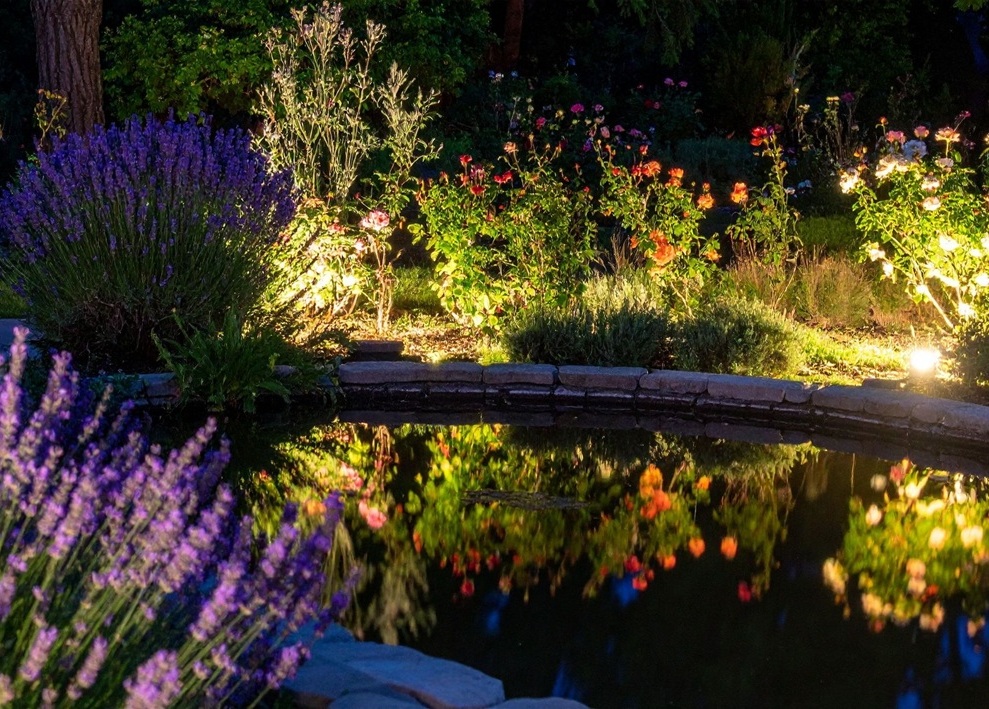
As landscapes mature, plants naturally grow and expand. Trees develop larger canopies, shrubs become denser, and flower beds fill out over time. While this growth improves the beauty of the yard, it can also interfere with the performance of outdoor lighting. Branches, leaves, and new plant growth can gradually block light beams, reduce visibility, or alter the intended lighting effect.
When this happens, homeowners may assume they need a full landscape light change or even a complete landscape light replacement. However, the solution is often much simpler. Trimming nearby plants or adjusting the angle and placement of fixtures can restore the original lighting effect. This is why routine landscape lighting care and occasional adjustments are essential parts of maintaining outdoor lighting systems.
System Quality, Installation, and Voltage Balance
The quality of the lighting system and how it was installed also influence how often landscape lights require replacement. A well-designed system with high-quality fixtures, proper wiring, and a reliable transformer typically lasts much longer than a poorly installed setup. Voltage balance plays an especially important role. If fixtures located farther from the transformer appear dim, the issue may be voltage drop rather than the need to change landscape lights.
Ensuring that wiring connections remain secure and that the transformer distributes power evenly helps reduce unnecessary landscape lights replacement and supports long-term landscape light maintenance.
How Often Should I Change Landscape Lights by Component?
When homeowners ask How Often Should I Change Landscape Lights, the answer often depends on which part of the lighting system they are referring to. Outdoor lighting systems are made up of multiple components, including bulbs, fixtures, wiring, and controls. Each of these elements has its own lifespan and maintenance needs. Understanding the typical replacement timeline for each component helps homeowners create a practical landscape light schedule and avoid replacing parts unnecessarily.
In many cases, homeowners do not need to replace the entire lighting system at once. Instead, effective landscape light maintenance focuses on monitoring individual components and replacing them only when needed. This approach allows outdoor lighting systems to continue operating efficiently while reducing the overall cost of landscape lights replacement. By paying attention to how different parts of the system age and perform, homeowners can better manage the frequency of changing landscape lights and maintain a consistent lighting design throughout their property.
How Often to Change Bulbs
Bulbs are typically the most frequently replaced component in an outdoor lighting system. In most cases, homeowners should change landscape lights when bulbs begin to dim, flicker, burn out, or shift in color temperature. These changes indicate that the bulb has reached the end of its usable lifespan and needs replacement to maintain proper illumination.
For many homeowners, changing landscape lights occurs on an as-needed basis rather than following a strict annual schedule. Modern LED bulbs often last significantly longer and may operate for many years before needing replacement. However, older halogen bulbs usually require more frequent attention and may need to be replaced more often to maintain consistent brightness. Regular inspections help ensure that garden lights continue to perform effectively without unexpected outages.
How Often to Change Entire Fixtures
While bulbs tend to wear out more quickly, outdoor lighting fixtures themselves generally last much longer. However, there are situations where homeowners may need to perform a full landscape lights replacement. Fixtures should be replaced if moisture has entered the housing, corrosion is visible on the metal components, or the protective coatings have deteriorated.
Cracks in the fixture housing or damaged lenses can also reduce lighting performance and allow water intrusion. In these cases, replacing the fixture becomes part of proper landscape lighting care. Although it is not necessary to change outdoor lights frequently, inspecting fixtures during regular landscape light maintenance helps identify problems before they affect the entire system.
How Often to Change Outdoor Lights for Design Reasons
Sometimes homeowners choose to change outdoor lights even when the system is still functioning properly. As landscapes evolve and mature, the original lighting design may no longer highlight the most attractive features of the property. Trees may grow taller, shrubs may become fuller, and new architectural elements may be added to the home.
In these situations, a landscape light change can improve curb appeal and restore balance to the overall lighting design. Homeowners may also upgrade to newer lighting technology that offers improved energy efficiency, better beam control, or smart lighting controls that enhance the functionality of their outdoor space.
How Often to Adjust Garden Lights
Even when fixtures and bulbs are working properly, garden lights often require periodic adjustments. Over time, soil movement, weather conditions, and plant growth can cause fixtures to shift slightly from their original position. As a result, light beams may no longer illuminate the intended landscape features.
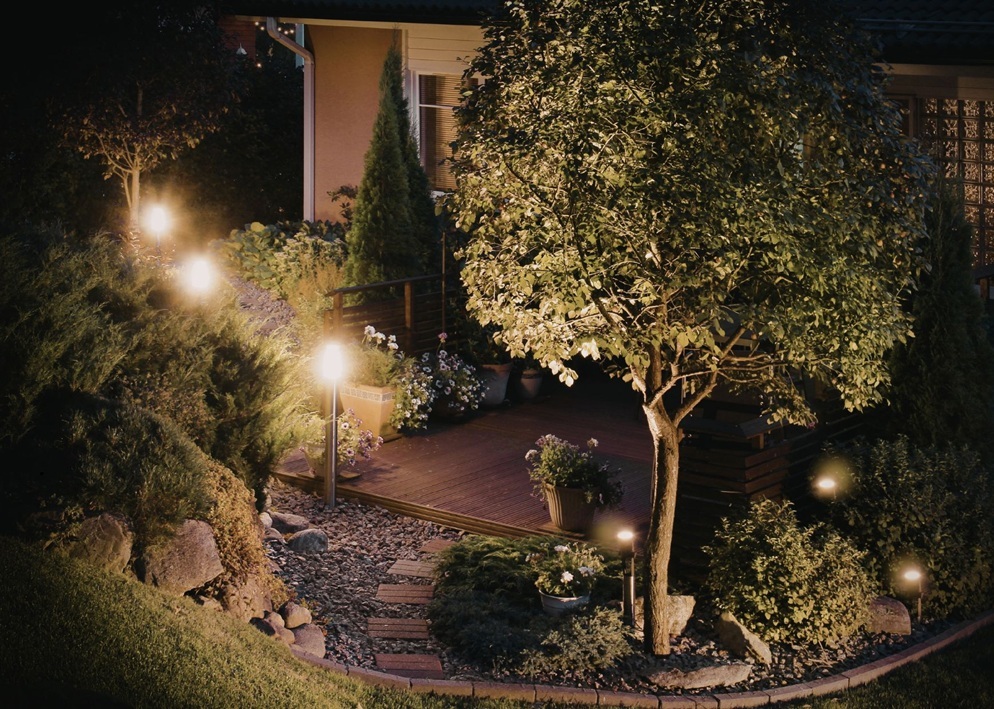
For best results, homeowners should plan to inspect and adjust their landscape lights at least once per year. Many lighting professionals recommend adjusting fixtures twice annually—typically in the spring and fall—to maintain optimal lighting angles and ensure consistent landscape lighting frequency throughout the property.
Signs It’s Time for a Landscape Light Change or Replacement
Even with regular landscape lighting care, outdoor lighting systems eventually show signs that certain components need attention. Recognizing these warning signs early can help homeowners decide when to change landscape lights, perform landscape light maintenance, or schedule a full landscape light replacement. In many cases, small issues can be corrected quickly before they turn into larger problems that affect the entire system.
Because landscape lighting operates outdoors year-round, performance changes can occur gradually. Fixtures may shift, bulbs may lose brightness, or environmental conditions may begin affecting the system. By learning how to identify these signs, homeowners can determine how often landscape lights should be adjusted, repaired, or replaced. The following indicators provide a helpful checklist to determine whether it is time for a landscape light change.
Visible Performance Problems
One of the easiest ways to determine if you should change outdoor lights is by observing how the lighting system performs at night. Visible performance issues often indicate that bulbs, fixtures, or positioning need attention. Uneven lighting across the yard may create dark patches where light once existed. Fixtures located farther from the transformer may appear noticeably dim, which can signal voltage issues or aging bulbs.
Flickering lights are another common warning sign that changing landscape lights may be necessary. Additionally, glare or beams pointing in the wrong direction can occur when fixtures shift due to weather or landscaping changes. When lighting no longer highlights the intended features of the yard, it may be time to perform landscape light maintenance or adjust the system.
Physical Warning Signs
Physical damage is another clear indicator that homeowners may need to change landscape lights or replace certain fixtures. Exposed wires should always be addressed immediately, as they can affect both safety and performance. Corrosion on metal fixtures can weaken the housing and allow moisture to enter the lighting system.
Moisture inside fixtures, chipped finishes, or cloudy lenses can also reduce light output and compromise the durability of the lighting components. In some cases, debris may accumulate around heat sinks or ventilation areas, which can affect the performance of LED fixtures. Identifying these physical issues early helps prevent larger repairs and supports effective landscape light maintenance.
Timing and Scheduling Clues
Another helpful way to determine whether you should change landscape lights is by reviewing your overall landscape light schedule. If your outdoor lighting system has not been inspected or maintained in over a year, it may be time for a thorough checkup. Lighting that looks noticeably different from its original design—such as dimmer illumination or misaligned beams—may indicate that adjustments or replacements are needed.
Routine inspections help homeowners stay ahead of problems and maintain the proper frequency of changing landscape lights while keeping their outdoor spaces well illuminated.
Landscape Light Maintenance That Helps You Avoid Early Replacement
Proper landscape light maintenance plays a major role in reducing the frequency of changing landscape lights. Many outdoor lighting systems are designed to last for years, but without regular care, small issues can quickly lead to reduced performance or premature failure. By following a consistent routine of landscape lighting care, homeowners can keep their systems operating efficiently and avoid unnecessary landscape lights replacement.
Routine maintenance helps preserve the brightness, reliability, and overall appearance of garden lights and other outdoor fixtures. Dirt buildup, plant growth, and exposure to weather can gradually reduce lighting performance if they are not addressed. Fortunately, most maintenance tasks are simple and can be completed as part of a regular landscape light schedule. With a few basic habits, homeowners can significantly extend the life of their lighting system and reduce how often they need to change landscape lights.

Clean Lenses and Fixtures Regularly
Over time, outdoor lighting fixtures naturally collect dust, dirt, irrigation residue, and hard water spots. These deposits can accumulate on the lens surface and reduce the brightness of the light output. Regularly cleaning lenses and fixture housings helps restore proper illumination and maintain the intended lighting effect.
For routine cleaning, homeowners can gently wipe the lens using a soft cloth and mild cleaning solution. A mixture of white vinegar and water is often effective for removing hard water spots or mineral buildup. Maintaining clean lenses is a simple but important step in landscape lighting care that can prevent the need to change outdoor lights prematurely.
Trim Plants and Keep Fixtures Clear
As landscapes grow and evolve, plants can gradually block light beams or surround lighting fixtures. Seasonal pruning helps maintain the intended lighting pattern and prevents plants from interfering with the performance of garden lights. Overgrown shrubs and branches may also trap heat around fixtures or obstruct ventilation.
Keeping the area around fixtures clear ensures that lights continue to highlight key landscape features. Regular trimming is an essential part of landscape light maintenance and helps reduce the need for frequent changing landscape lights.
Check Wiring, Moisture, and Connections
Electrical components should also be inspected during routine landscape lighting care. Outdoor systems rely on low-voltage cables, connectors, and transformers to distribute power across the property. Over time, wires may become exposed due to soil movement or landscaping work.
Moisture intrusion is another common issue that can affect lighting performance. Water entering connectors or fixtures can cause lights to flicker or stop working entirely. In many cases, homeowners may believe they need to change landscape lights, when the real issue is a loose connection or damaged cable. Regularly checking wiring and connections helps maintain proper system function.
Follow a Seasonal Landscape Light Schedule
Following a seasonal landscape light schedule helps ensure that outdoor lighting systems remain in good condition throughout the year. In the spring, homeowners should check fixtures that may have shifted during winter and re-stake lights if necessary. During summer, managing plant growth and monitoring heat exposure becomes important.
In the fall, removing leaves and debris prevents buildup around fixtures while also providing a good opportunity to recalibrate timers as daylight hours change. Winter inspections help ensure fixtures remain properly aligned and protected from accidental damage. Consistent seasonal care helps reduce how often homeowners need to change landscape lights.
How to Change Landscape Lights Safely
Knowing how to change landscape lights properly helps homeowners maintain their outdoor lighting system while avoiding unnecessary damage or safety risks. While many landscape lighting systems operate on low voltage, they still involve electrical components and underground wiring that require careful handling. Performing a landscape light change safely ensures that fixtures, wiring, and transformers remain protected during maintenance.
Whether you are replacing bulbs, adjusting garden lights, or performing basic landscape light maintenance, following a few simple safety practices can prevent common problems. Proper preparation and careful handling also help homeowners avoid accidentally damaging buried cables or lighting components. By approaching the task methodically, homeowners can confidently change outdoor lights while maintaining the long-term performance of their landscape lighting system.
Start With Safety
Before beginning any landscape lights replacement, safety should always be the first priority. Start by turning off power at the lighting transformer to ensure that no electricity is flowing through the system while you work. Although most landscape lighting systems use low voltage, disconnecting power reduces the risk of electrical issues during maintenance.
It is also important to verify that the system is connected to a properly functioning GFCI outlet. Keeping your hands dry while handling fixtures or wiring further reduces electrical risks. When working around buried cables, avoid using large digging tools that could damage wiring. Instead, use smaller hand tools to carefully access fixtures when changing landscape lights.
Basic Steps for Changing Landscape Lights
Once the power is off, begin by inspecting the fixture that needs attention. Look for dirt buildup, moisture, loose connections, or damaged components that may be affecting the performance of the light. Cleaning the surrounding area and wiping the lens can help restore brightness before deciding whether a full landscape light change is necessary.
If the bulb has burned out or dimmed significantly, replace it with the correct bulb type recommended for the fixture. After completing the replacement, restore power to the system and test the light at night. This allows you to check beam alignment and ensure that the garden lights are illuminating the intended landscape features. Finally, verify that the timer and transformer settings are functioning properly.
When a Simple Replacement Is Not Enough
If lights continue flickering, dimming, or failing to turn on after replacing bulbs, the issue may involve deeper electrical problems. Loose wiring connections, corrosion, moisture intrusion, or voltage drop across the system can all affect performance. In these situations, additional landscape light maintenance or professional inspection may be required rather than simply changing landscape lights.
DIY vs Professional Help for Changing Landscape Lights
Many homeowners wonder whether they can change landscape lights themselves or if they should call a professional. The answer often depends on the type of issue involved and the complexity of the outdoor lighting system. Basic landscape light maintenance tasks are usually simple and can be handled by most homeowners with minimal tools. However, more technical issues involving wiring, transformers, or electrical balance may require professional expertise.
Understanding the difference between routine maintenance and more complex repairs can help homeowners maintain their lighting system safely while avoiding unnecessary costs. In many cases, small tasks such as replacing bulbs or adjusting fixtures can quickly restore lighting performance. At the same time, recognizing when to seek professional help ensures that larger problems—such as electrical faults or widespread system failures—are addressed properly.
Tasks Most Homeowners Can Usually Handle
Several routine landscape lighting care tasks are typically safe and manageable for homeowners. Swapping out burned-out bulbs is one of the most common reasons people change landscape lights, and it usually requires only basic tools and a compatible replacement bulb.
Other simple tasks include cleaning lenses to restore brightness, re-aiming fixtures to improve illumination, resetting timers after seasonal daylight changes, and clearing debris such as leaves or mulch from around fixtures. These small maintenance steps help keep garden lights performing properly and reduce the need for frequent landscape lights replacement.
When to Call a Professional
While many tasks are DIY-friendly, certain issues indicate it may be time to contact a professional lighting technician. Recurring flickering lights, multiple fixtures failing at once, or persistent dimming across the system may signal deeper electrical problems.
Exposed or damaged wiring should also be addressed by a professional to ensure safety and prevent further damage to the system. Repeated moisture intrusion inside fixtures, corrosion affecting multiple components, or significant voltage drop along the lighting line are other warning signs that professional service may be required.
In addition, transformer malfunctions or circuit issues often require specialized equipment to diagnose properly. In these situations, professional landscape light maintenance can help restore system performance while preventing costly long-term damage.
Conclusion: The Best Frequency of Changing Landscape Lights
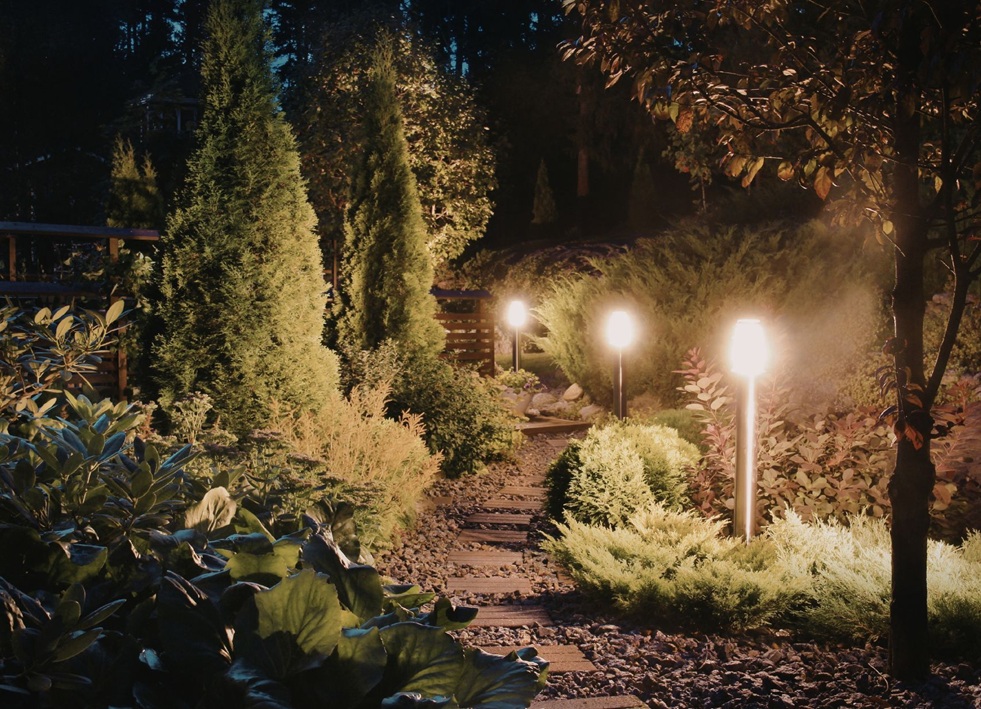
Understanding how often you should change landscape lights helps ensure your outdoor lighting system remains both attractive and functional year-round. Rather than waiting until lights stop working completely, homeowners should take a proactive approach to landscape lighting care. Regular inspections—at least once per year—allow small issues to be identified early before they require extensive repairs.
In many cases, simple adjustments or maintenance can restore lighting performance without requiring full landscape lights replacement. Professionals often recommend adjusting fixtures twice a year, especially during the spring and fall, to account for plant growth, weather conditions, and seasonal lighting changes.
When bulbs begin to dim, flicker, or burn out, replacing them promptly helps maintain consistent illumination throughout the property. Additionally, upgrading older halogen systems to modern LED lighting can significantly reduce the frequency of changing landscape lights while improving energy efficiency and system longevity. With consistent maintenance and occasional upgrades, homeowners can enjoy reliable outdoor lighting for many years.
Frequently Asked Questions About Changing Landscape Lights
How often should I change landscape lights?
Most homeowners should inspect their outdoor lighting system at least once a year. During this inspection, check for dim bulbs, misaligned fixtures, damaged wiring, or buildup that could affect brightness. In many cases, you do not need to change landscape lights every year, but regular inspections help determine when replacement is necessary. Bulbs should typically be replaced when they dim, flicker, or burn out.
How often do I change outdoor lights if I have LED fixtures?
LED landscape lighting systems generally require far less frequent replacement compared to older halogen systems. Because LEDs produce less heat and are designed to last longer, homeowners may go several years without needing to replace bulbs. While the bulbs themselves last longer, it is still important to perform routine landscape light maintenance to ensure fixtures remain clean and properly aligned.
Should I change landscape lights every year?
Not necessarily. Most outdoor lighting systems do not require a complete replacement every year. Instead, homeowners should focus on annual inspections and seasonal adjustments. If the system is functioning properly and bulbs remain bright, you may only need minor maintenance rather than a full landscape light replacement.
Should I change outdoor lights if they still work?
In some cases, yes. Even if your lighting system still functions, you may want to change outdoor lights for improved efficiency, updated design, or better lighting coverage. As landscaping evolves and plants grow, the original lighting layout may no longer provide the best visual effect.
What is the ideal landscape light schedule?
A good landscape light schedule includes at least one full inspection per year. Many lighting professionals also recommend seasonal adjustments in the spring and fall to maintain proper fixture positioning and brightness. This schedule helps homeowners maintain consistent landscape lighting frequency without unnecessary replacements.
How do I know when landscape lights replacement is needed?
Several signs indicate that landscape lights replacement may be necessary. These include dim lighting, flickering bulbs, color shifts in the light output, moisture inside fixtures, corrosion, exposed wiring, or light beams being blocked by plants. Identifying these issues early helps prevent larger system failures.
How to change landscape lights safely?
To change landscape lights safely, always begin by turning off power at the transformer. Once power is disconnected, inspect the fixture, clean the surrounding area, and replace any damaged or worn components. After the replacement is complete, restore power and test the lights at night to ensure proper alignment and brightness.
Does landscape light maintenance really extend lifespan?
Yes. Consistent landscape light maintenance significantly extends the lifespan of outdoor lighting systems. Cleaning lenses, trimming plants around fixtures, checking wiring connections, and performing seasonal adjustments help prevent premature failures. Regular care reduces how often homeowners need to change landscape lights while maintaining consistent outdoor illumination.
