 Skip to content
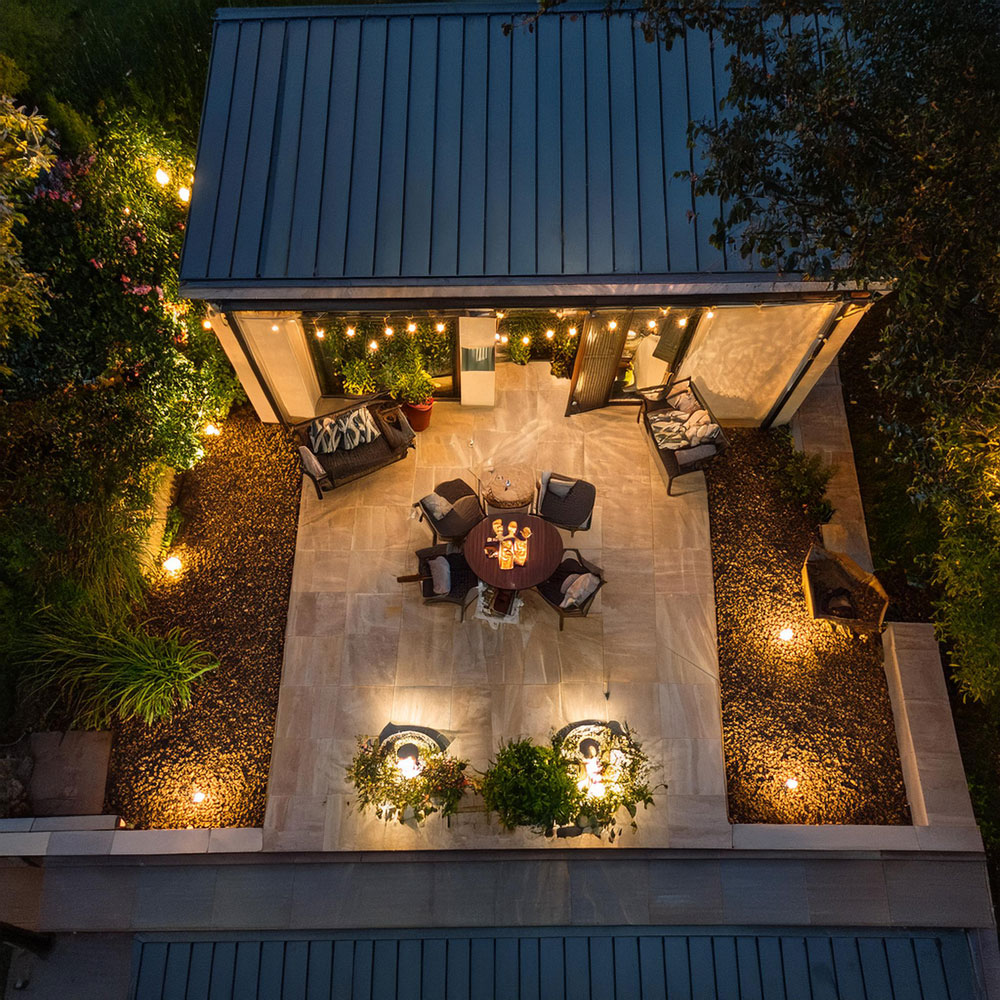
Landscape lighting plays a vital role in shaping how your outdoor space looks, feels, and functions after dark. Rather than simply illuminating an area, effective landscape lighting is about intention—using light to guide movement, highlight key features, and create an atmosphere that aligns with how you use your outdoor spaces.
When thoughtfully planned, landscape lighting becomes an extension of your landscape design, enhancing visual appeal while supporting safety and usability. By clearly defining the purpose behind your lighting choices, you can avoid over-lighting, reduce energy waste, and achieve a balanced outdoor environment that feels both practical and inviting.

Why Landscape Lighting Matters
Landscape lighting significantly enhances the overall appearance of your property by adding depth, contrast, and visual interest at night. Carefully placed lights draw attention to architectural details, garden features, and pathways that might otherwise disappear in the dark. Beyond aesthetics, landscape lighting improves safety by illuminating walkways, steps, and entry points, helping prevent trips and falls. It also contributes to home security by reducing dark areas around the property and increasing nighttime visibility.
Following proven landscape lighting best practices ensures that light is used efficiently and effectively, delivering long-term value while maintaining a cohesive and polished outdoor look. Thoughtful landscape lighting advice helps homeowners balance beauty with function, creating outdoor spaces that are both attractive and dependable.
Identifying Your Outdoor Lighting Goals
Before selecting fixtures or deciding on placement, it’s essential to clarify what you want your landscape lighting to achieve. Some homeowners prioritize ambiance, using soft, layered lighting to create a relaxing mood for gardens, patios, or entertaining areas. Others focus on functionality, ensuring pathways, driveways, and outdoor workspaces are well lit for practical use.
Security may also be a key goal, requiring brighter, strategically placed lighting to deter unwanted activity. Defining these objectives early allows you to apply the right landscape lighting strategies and make informed landscape lighting recommendations that align with your lifestyle and property layout. A clear vision ensures your lighting design delivers visual impact without sacrificing comfort or efficiency.
Types of Landscape Lighting and When to Use Them
Understanding the different types of landscape lighting is essential for creating an outdoor space that is both visually appealing and functional. Each lighting category serves a specific purpose, and when used correctly, they work together to produce a balanced and well-designed nighttime environment. By selecting the right lighting types for the right areas, homeowners can enhance usability, highlight landscape features, and avoid common issues such as harsh glare or uneven brightness.
Ambient, Task, and Accent Lighting
Ambient, task, and accent lighting form the foundation of effective landscape lighting techniques. Ambient lighting provides overall illumination and sets the tone for the space, creating a soft, welcoming glow that allows people to move comfortably throughout the yard. This type of lighting is often used in open areas, patios, and garden spaces where general visibility is needed without overpowering the surroundings.
Task lighting is more focused and practical, designed to illuminate specific areas where activities take place. Pathways, steps, driveways, and outdoor cooking or dining areas benefit from task lighting, as it improves safety and usability after dark. Proper placement and controlled brightness are key landscape design lighting tips to ensure task lighting enhances function without creating glare.
Accent lighting adds depth and visual interest by drawing attention to focal points within the landscape. Trees, statues, water features, and textured walls can be highlighted using carefully directed accent lights. When combined with ambient and task lighting, accent lighting completes a layered approach that results in a cohesive and visually dynamic outdoor space.
Decorative and Feature Lighting
Decorative and feature lighting focuses on enhancing the character and personality of your outdoor environment. Unlike purely functional lighting, this category is designed to create mood, style, and visual impact. String lights, in-deck lighting, and under-rail fixtures add warmth and charm to patios, decks, and outdoor seating areas, making them more inviting for evening use. These landscape lighting ideas help transform ordinary spaces into comfortable extensions of the home.
Feature lighting is used to emphasize architectural and natural elements such as pergolas, retaining walls, garden beds, and entryways. Well lights and wall wash lighting can highlight textures and shapes, giving the landscape a dramatic yet refined appearance. Applying thoughtful landscape illumination tips ensures these lights enhance the design without overwhelming it. When decorative and feature lighting are used sparingly and intentionally, they elevate the overall outdoor experience while maintaining balance and visual harmony.

Garden Lighting Tips for Visual Impact and Balance
Garden lighting requires a thoughtful approach that enhances natural beauty without overpowering it. Unlike broader landscape lighting, garden-specific lighting focuses on subtlety, balance, and visual flow. The goal is to guide the eye through the garden while maintaining a natural nighttime appearance. Effective garden lighting tips help create depth, emphasize texture, and establish focal points, all while preserving a calm and inviting atmosphere. When lighting is layered and carefully directed, gardens feel more intentional and visually engaging after dark.
Highlighting Plants, Trees, and Garden Features
Highlighting key elements is one of the most effective ways to bring a garden to life at night. Spotlighting allows you to showcase mature trees, ornamental plants, and unique garden structures by directing light upward or across their forms. Well lights are particularly useful for illuminating trees and shrubs from below, creating dramatic silhouettes and adding dimension without visible fixtures. Directional lighting techniques help control shadows and prevent light from spilling into unwanted areas.
These garden lighting tips work best when fixtures are placed at varying angles and distances, allowing light to graze foliage and reveal natural textures. Avoid lighting every plant evenly, as this can flatten the visual effect. Instead, selective illumination creates contrast and depth, guiding attention to the most attractive features. Thoughtful use of landscape light tips ensures the garden feels cohesive while maintaining a natural nighttime ambiance.
Using Color and Direction to Shape Mood
Color temperature and light direction play a powerful role in shaping the mood of a garden. Warm white lighting creates a cozy, welcoming atmosphere that complements greenery and natural materials, making it ideal for relaxing garden spaces. Cooler tones can be used sparingly to create a moonlit effect or to highlight specific design elements. Introducing subtle color accents can add visual interest, but they should be applied with restraint to avoid overwhelming the space.
Light direction also influences how a garden is experienced. Downlighting creates a soft, natural glow that mimics moonlight, while uplighting adds drama and highlights height. Combining these approaches is a proven landscape lighting trick for achieving balance. By following practical garden lighting advice, homeowners can use color and direction to create an outdoor environment that feels harmonious, intentional, and emotionally engaging.

Pathways, Decks, and Functional Outdoor Areas
Lighting for pathways, decks, and other functional outdoor areas is essential for safety, comfort, and ease of movement after dark. Unlike purely decorative lighting, this category focuses on visibility and usability while still maintaining a cohesive look with the surrounding landscape. Thoughtful planning ensures that these areas are well lit without appearing harsh or distracting. When applied correctly, functional lighting supports everyday use of outdoor spaces while enhancing the overall nighttime experience.
Pathway and Walkway Lighting Best Practices
Proper pathway lighting improves safety by clearly defining walkways, steps, and transitions throughout your outdoor space. Fixtures should be spaced evenly to create a consistent flow of light that naturally guides movement without overwhelming the eyes. One of the most effective landscape lighting practices is to use downward-facing fixtures that cast soft light onto the path, reducing glare and preventing harsh shadows.
Avoid placing lights in perfectly straight lines, which can feel rigid and overly bright. Instead, stagger fixtures slightly to create a more organic and welcoming appearance. This approach helps maintain visual balance while improving visibility. Choosing the right fixture height and brightness is also essential, as overly bright lights can disrupt the surrounding landscape. Following these landscape lighting suggestions ensures pathways remain safe, attractive, and easy to navigate.
Deck, Patio, and Outdoor Living Area Lighting
Decks, patios, and outdoor living areas benefit from subtle, layered lighting that enhances comfort without overpowering the space. Soft illumination along railings, steps, and seating areas helps define boundaries while maintaining a relaxed atmosphere. Recessed lights, under-rail fixtures, and low-level step lighting are effective landscape lighting techniques for these areas, as they provide visibility without creating glare.
The goal is to support activities such as dining, entertaining, or relaxing while keeping the lighting understated. Avoid relying on a single bright light source, which can create uneven illumination and reduce ambiance. Instead, combine multiple low-intensity fixtures to create a balanced glow. Thoughtfully designed landscape lighting solutions allow outdoor living spaces to feel inviting, functional, and seamlessly connected to the rest of the landscape.

Choosing the Right Lighting Technology
Selecting the right lighting technology is a key part of building an efficient and long-lasting landscape lighting system. Each option offers distinct benefits depending on your goals, budget, and maintenance preferences. Understanding how different technologies perform helps ensure your lighting design remains reliable, energy-efficient, and visually consistent over time. Making informed choices at this stage supports better performance and aligns with proven landscape lighting best practices.
LED vs Solar vs Traditional Lighting
LED lighting has become the most popular choice for modern landscape lighting due to its energy efficiency, long lifespan, and consistent brightness. LEDs consume significantly less power than traditional bulbs, require minimal maintenance, and offer a range of color temperatures suitable for both functional and accent lighting. For many homeowners, LED fixtures represent the most balanced solution when following professional landscape lighting advice.
Solar lighting offers convenience and easy installation, making it ideal for pathways and smaller garden areas. While solar fixtures are energy-independent, their brightness and reliability can vary depending on sun exposure and weather conditions. Traditional incandescent or halogen lighting provides warm, natural light but consumes more energy and requires frequent bulb replacements. Understanding these differences helps homeowners choose the right technology for each area of the landscape.
Smart Lighting Controls and Automation
Smart lighting controls add flexibility and efficiency to outdoor lighting systems. Timers, motion sensors, and app-based controls allow lights to operate only when needed, reducing energy use and extending fixture lifespan. Many smart systems let users adjust brightness levels or create schedules remotely, offering greater control over ambiance and security. Incorporating these tools into your design supports effective landscape lighting strategies and allows for tailored landscape lighting recommendations that adapt to daily routines and seasonal changes.
Installation, Placement, and Common Mistakes to Avoid
Installing landscape lighting is more than just plugging in a few fixtures; it requires careful planning, precise placement, and attention to detail. A well-executed installation enhances the beauty of your outdoor spaces, highlights architectural and natural features, and improves safety and security.
However, improper placement or execution can lead to glare, uneven illumination, or energy waste. Understanding both the technical and aesthetic aspects of installation is crucial for achieving professional results.
Start by evaluating your landscape and deciding which elements you want to emphasize, such as pathways, trees, or water features. Choose fixtures that complement these features in size, shape, and wattage. Next, consider wiring logistics and the durability of materials. Using high-quality, weather-resistant fixtures ensures longevity and reduces maintenance issues.
Balancing light intensity and angles is also essential. Too much light can wash out textures and create a harsh, artificial look, while insufficient lighting can leave key areas in shadow. Always aim for layered lighting, combining up lighting, downlighting, and accent lighting to create depth and dimension.
Finally, avoid common mistakes that many homeowners make. Overcrowding lights, failing to account for glare, or unevenly spacing fixtures can compromise both aesthetics and functionality. Test the lighting at night, adjusting angles and distances until the illumination feels natural and balanced. By carefully planning installation and placement, you ensure that your landscape lighting is not just decorative but also functional, safe, and visually appealing.
Strategic Fixture Placement
Strategic fixture placement is the cornerstone of effective landscape lighting. Properly positioned lights can transform a backyard into a visually striking and welcoming space. Start by determining the focal points of your landscape, such as a large tree, a garden pathway, or architectural details. Fixtures should be spaced to ensure even coverage without creating dark spots or overly bright areas.
Pay attention to angles: uplights can dramatize trees and structures, while downlights provide subtle illumination for pathways and patios. Balancing wattage is key—mix higher-intensity lights for focal points with softer lights for ambient areas. Avoid clustering too many fixtures in one location, as this can create a runway effect, washing out details and making spaces feel artificial.
Common Landscape Lighting Errors
Even the most carefully planned landscape can be undermined by common lighting mistakes. One frequent error is creating glare, which occurs when lights shine directly into the eye or reflect off hard surfaces, causing discomfort and reducing visual appeal. Another is uneven brightness, often caused by irregular fixture spacing or inconsistent wattage, which can make the landscape appear patchy and disorganized.
Runway effects are another concern, where lights are aligned like a runway rather than integrated naturally into the scenery, drawing attention away from focal points. Poor focal balance is also common, with emphasis placed on less significant elements while larger, more dramatic features remain underlit.
Landscape Lighting Maintenance and Long-Term Care
Proper landscape lighting requires ongoing attention to ensure it continues to enhance your outdoor spaces effectively. Over time, weather conditions, dirt, and vegetation growth can diminish the impact of your lighting design. Regular care not only maintains visual appeal but also extends the life of your fixtures and protects your investment.
Maintenance begins with periodic inspections of your entire system. Check for loose connections, damaged wiring, or signs of corrosion, particularly in areas exposed to moisture. Ensure that all fixtures remain securely positioned and have not shifted due to wind, animals, or landscaping work. Additionally, monitor the lighting balance across your landscape—plants grow, outdoor features change, and shadows can shift, potentially altering the original visual effect.
By staying proactive with maintenance, you preserve the intended ambiance, avoid safety hazards, and maximize energy efficiency. Long-term care transforms your landscape lighting from a temporary decorative feature into a reliable, enduring highlight of your property, ensuring that your outdoor spaces remain welcoming and visually stunning year-round.
Routine Maintenance and Seasonal Adjustments
Routine maintenance is essential for keeping your landscape lighting system performing at its best. Begin by cleaning all fixtures to remove dust, dirt, leaves, and pollen, which can obstruct light output and create uneven illumination. Inspect bulbs regularly and replace any that are dimming, flickering, or burned out to maintain consistent brightness throughout your outdoor space.
Seasonal adjustments are also important. As plants grow or change with the seasons, and as outdoor furniture or garden structures are moved, you may need to reposition fixtures or adjust angles to preserve the intended lighting effect. Conduct regular system checks to ensure timers, sensors, and controllers function correctly, optimizing both performance and energy efficiency.
Following landscape lighting best practices and implementing reliable landscape lighting solutions guarantees that your outdoor spaces continue to look their best while avoiding common problems like glare, uneven illumination, or unnecessary energy consumption. With careful attention, your landscape lighting will remain both beautiful and functional throughout the year, enhancing safety, ambiance, and the overall aesthetic appeal of your property.
Conclusion: Bringing Your Outdoor Space to Life with Smart Lighting
Effective landscape lighting has the power to transform any outdoor space into a captivating, functional, and safe environment. By thoughtfully considering fixture placement, angles, wattage, and layering, you can highlight architectural features, illuminate pathways, and accentuate natural elements, creating a balanced and inviting atmosphere. Following practical landscape lighting tips ensures that each element of your garden or yard contributes to an overall sense of harmony, guiding visitors’ eyes while enhancing usability and safety.
Equally important is careful planning and ongoing maintenance. Understanding common pitfalls, such as glare, uneven brightness, or misplaced focal points, allows you to avoid mistakes that could compromise the aesthetic or functionality of your lighting design. Regular checks, seasonal adjustments, and attention to detail will keep your system performing at its best, ensuring that your investment continues to deliver long-term value.
Smart lighting is not just about visibility—it’s about inspiration. Well-executed garden lighting advice and creative landscape lighting ideas can turn ordinary outdoor areas into enchanting retreats, perfect for relaxation, entertaining, or simply enjoying the natural beauty of your surroundings after dark. By combining strategy, creativity, and consistent care, your landscape lighting can truly bring your outdoor space to life, making it safe, inviting, and visually stunning for years to come.
