 Skip to content

What Is Pendant Lighting?
Pendant lighting is one of the most versatile categories in modern interior illumination. Unlike flush or semi-flush mounts that sit close to the ceiling, a pendant light hangs down into the room, creating both visual presence and targeted light distribution. And unlike chandeliers, which typically feature multiple arms or branching bulbs, most pendant fixtures focus on a single light source, though they are frequently installed in coordinated groups.
Because they drop into the visual plane, pendants act as both functional tools and design statements. They can define zones over kitchen islands, anchor a dining table, or introduce intimacy in spaces with tall ceilings. Depending on the shade, material, and bulb choice, they may deliver focused task lighting, soft ambient glow, or dramatic decorative impact.
This balance between performance and personality is why pendant lighting appears in nearly every type of residential and commercial project. From minimalist modern homes to rustic hospitality spaces, pendants help designers shape atmosphere while solving real lighting needs. Their adaptability in scale, finish, and arrangement makes them one of the most powerful fixtures available in architectural lighting.

A pendant light is a fixture suspended from the ceiling by a cord, chain, or rigid rod. Most designs contain a single light source surrounded by a shade or diffuser, although multiple pendants are often arranged together to create rhythm or stronger illumination. Sizes range from compact mini pendant lighting to large statement pieces, allowing designers to tailor brightness and proportion to the room.
Why Designers Love Pendant Fixtures
Designers rely on pendant lighting because it offers precision and drama at the same time. By adjusting drop height, spacing, and brightness, they can layer light exactly where it is needed while also introducing sculptural form. A well-chosen hanging pendant light becomes functional art, guiding movement, defining gathering areas, and enhancing the architectural story of a space.
Where Pendant Lights Are Commonly Installed
Pendant lights are frequently used where people gather or perform tasks. You will often see kitchen pendant lighting over islands and counters, dining pendant lighting centered above tables, and hanging lights in stairwells or entryways to emphasize height. They are also popular in bathrooms and bedrooms, where they free up surface space while delivering focused illumination.
Types of Pendant Lighting
Pendant lighting spans an extraordinary range of forms, scales, and materials, which is why it works across nearly every interior style. Some fixtures prioritize focused task illumination, while others lean into sculptural presence or atmospheric glow. Understanding the major categories helps narrow options and ensures the pendant you select aligns with both functional needs and design intent.
At a high level, pendants can be organized by size, configuration, and visual language. Smaller fixtures may repeat to create rhythm, while larger silhouettes command attention as focal points. Certain designs emphasize material transparency, revealing the bulb as part of the aesthetic, while others conceal the source to soften output. From industrial workshops to modern residences, these variations allow pendant lighting to adapt to architecture rather than compete with it.
Below is a practical breakdown designers use when specifying pendant lighting fixtures.
Single & Mini Pendant Lighting
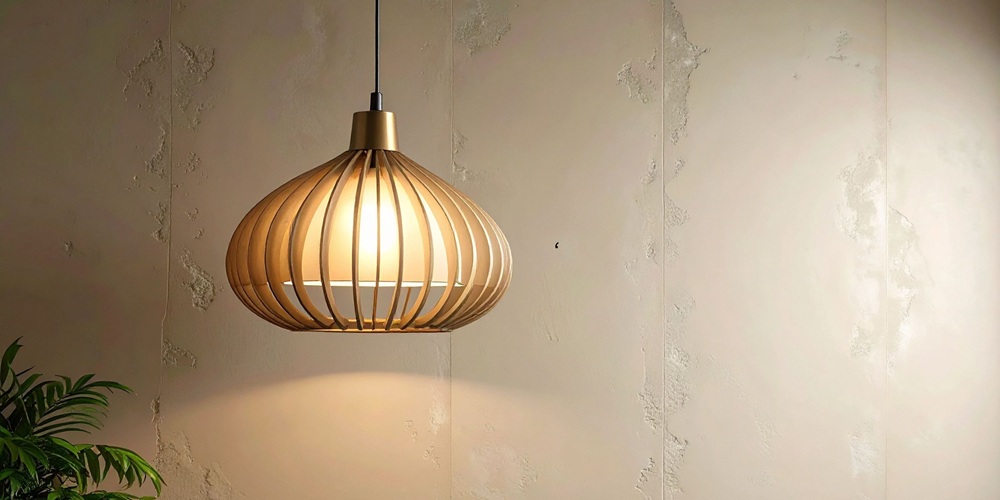
Single pendant lighting and mini pendant lighting are ideal for precision and repetition. Their compact scale makes them perfect for lining up over counters, islands, or bars where even spacing creates visual order. Because each fixture delivers concentrated light, multiple small pendants often outperform one oversized piece, providing better coverage while maintaining an elegant, uncluttered ceiling line.
Multi Light Pendant Lighting
Multi light pendant lighting groups several sources into one unified composition. Sometimes arranged in linear formats and other times suspended at varied heights, these fixtures introduce movement and drama. They are especially effective in spaces with tall ceilings or open plans where a single point of light would feel undersized. The result feels architectural, almost like a floating installation.
Drum & Spherical Pendant Lighting
Drum pendant lighting and spherical pendant lighting focus on balance and diffusion. Their enclosed shapes soften glare and spread illumination evenly, making them comfortable for dining rooms or living spaces. Because the geometry is simple and symmetrical, they integrate easily with many design styles while still delivering a confident, finished look.
Glass Pendant Lighting
Glass pendant lighting celebrates transparency. Clear, frosted, seeded, or ribbed finishes allow the bulb and internal hardware to become part of the design. These fixtures can feel light and airy even when large, making them excellent for kitchens or smaller rooms where visual weight matters. The glow they produce often feels warm, intimate, and inviting.
Metal & Industrial Pendant Lighting
Metal pendant lighting, particularly industrial pendant lighting, draws inspiration from factories and workshops. Strong lines, exposed hardware, and durable finishes communicate function and authenticity. These pendants excel in kitchens, lofts, restaurants, and commercial environments where toughness and timeless appeal are equally important.
Wood & Rustic Pendant Lighting
Wood pendant lighting introduces warmth and natural texture. Whether paired with metal accents or carved into sculptural forms, these fixtures soften modern interiors and reinforce farmhouse or rustic narratives. They are particularly effective in spaces that aim to feel welcoming, grounded, and connected to organic materials.
Geometric & Contemporary Pendant Lighting
Geometric pendant lighting and contemporary pendant lighting prioritize clean lines and innovative forms. Angular frames, unexpected silhouettes, and integrated LED elements make these fixtures feel aligned with modern architecture. They often serve as statement pieces, turning functional lighting into a defining visual feature.
Pendant Lighting by Room

Choosing the right pendant lighting often starts with where it will live. While style and material matter, placement determines how well the fixture performs day to day. Each room has its own lighting priorities, from focused task illumination to atmosphere and visual impact. Understanding these differences helps narrow options quickly and prevents pendants from feeling either too small, too bright, or out of scale.
Designers think in layers. A hanging pendant light might provide direct light for cooking, soft glow for dining, or sculptural presence in a double-height foyer. In many homes, pendant lights also help define zones, especially within open floor plans where furniture alone cannot create separation.
Below is a practical guide to how pendant lighting fixtures are typically used room by room.
Kitchen Pendant Lighting
Kitchen pendant lighting is primarily about function, but it also plays a major aesthetic role. Pendants most commonly appear over islands and peninsulas, where they provide direct task light for food prep, serving, and casual dining. Height is critical. Fixtures usually hang low enough to illuminate the surface without interrupting sightlines across the room.
Multiples are often preferred over one large pendant. A row of two or three lights creates balance, spreads brightness more evenly, and visually anchors the island. Glass pendant lighting can feel open and airy, while metal or industrial pendant lighting may add contrast and character. The goal is clarity, comfort, and cohesion with surrounding finishes.
Dining Room Pendant Lighting
Dining room pendant lighting focuses on mood and proportion. The fixture should feel centered over the table, acting almost like a ceiling anchor that gathers people beneath it. Lower hanging heights typically create intimacy, encouraging conversation while reducing glare.
Drum pendant lighting and spherical forms are popular because they distribute light evenly across diners. Dimmers are essential, allowing the atmosphere to shift from bright family meals to relaxed evening entertaining. In this space, the pendant often becomes the jewelry of the room.
Living Room Pendant Lighting
In living areas, pendant lights usually act as ambient or decorative features rather than strict task tools. They may highlight a seating arrangement, fill vertical space in rooms with high ceilings, or serve as statement pieces that reinforce the design theme.
Because comfort is key, softer diffusion and warm color temperatures tend to work best. Scale matters here. Too small and the pendant disappears, too large and it overwhelms the furniture arrangement.
Bedroom & Bedside Hanging Lights
Hanging pendant lights in bedrooms are an increasingly popular alternative to table lamps. By suspending fixtures from the ceiling, you free up nightstands, reduce clutter, and create a clean, modern look. Adjustable pendant lighting allows precise positioning for reading while maintaining symmetry across the bed.
Mini pendant lighting or small glass forms work especially well, offering focused illumination without feeling heavy or intrusive.
Stairway & Entry Applications
Few places showcase pendant lighting like stairways and entries. These areas benefit from vertical drama, where multi light pendant lighting or cascading arrangements emphasize height and movement. During the day, the fixture becomes a sculptural focal point. At night, it provides safe, welcoming illumination.
Because these spaces are often visible from multiple angles, designers prioritize silhouettes that look beautiful from every perspective.
How to Choose the Right Pendant Light

Selecting the right pendant light involves more than picking a style you love. The fixture must relate to the room’s proportions, provide appropriate brightness, and function comfortably for the way the space is used. A beautiful light that is too small, too intense, or hung at the wrong level can disrupt the entire environment.
Design professionals typically evaluate five factors: scale, hanging height, light performance, materiality, and flexibility. Together, these variables determine whether a pendant lighting solution feels intentional or accidental. When balanced correctly, a pendant becomes part of the architecture, enhancing both usability and atmosphere.
Here is how to think through each decision.
Size & Scale
Proportion is the first priority. A pendant should feel connected to the surface or zone it serves rather than floating randomly in space. For dining areas, designers often choose a fixture with a diameter roughly one-half to two-thirds the width of the table. Over kitchen islands, multiple mini pendant lighting options may be spaced evenly to create rhythm instead of relying on a single oversized unit.
Hanging Height
The vertical drop influences comfort as much as aesthetics. Hang a pendant too high and it loses impact. Too low and it interferes with views across the room. In dining settings, fixtures typically sit lower to create intimacy. Over islands, they should illuminate the work surface while keeping sightlines open between people standing or seated nearby.
Light Output & LED Pendant Lighting
Brightness should match the task. Kitchen pendant lighting requires stronger, more focused illumination, while living areas benefit from softer ambient glow. LED pendant lighting has become the preferred choice because it offers excellent efficiency, longer lifespan, and consistent color quality. Many designs are dimmable, allowing you to shift from functional brightness to relaxed mood instantly.
Materials & Finishes
Materials shape both performance and personality. Glass pendant lighting can feel airy and elegant while allowing maximum light transmission. Metal pendant lighting directs illumination more precisely and often introduces contrast or industrial character. Mixed materials blend warmth and structure, helping fixtures coordinate with cabinetry, hardware, or architectural details.
Adjustable & Plug In Pendant Lighting
Flexibility is invaluable, especially in rental properties or evolving interiors. Adjustable pendant lighting lets you modify drop length as furniture arrangements change. Plug in pendant lighting offers the visual benefit of a ceiling fixture without requiring hardwiring, making installation simpler while still delivering a custom, intentional appearance.
Installation Formats Designers Use
Beyond selecting the right pendant light, designers carefully plan how fixtures are arranged. Installation format influences balance, brightness distribution, and the emotional tone of a space. Two homes can use the exact same pendant lighting fixtures and feel completely different based on layout alone.
Some arrangements emphasize order and repetition, while others create movement and artistic expression. Certain installations aim to disappear into the background, providing quiet support. Others are meant to command attention, acting as sculptural centerpieces.
Understanding these common strategies helps you visualize what will work best in your room.
Linear Rows
Linear rows are one of the most popular formats, especially for kitchen pendant lighting. Fixtures are evenly spaced in a straight line, typically above islands or dining tables. This approach creates visual structure, improves task coverage, and feels clean and architectural. Repetition also helps smaller pendants make a stronger collective impact.
Staggered Clusters
Staggered clusters introduce variation in height and position, turning multiple hanging pendant lights into a dramatic installation. This format works beautifully in stairwells, entryways, or rooms with high ceilings where vertical space deserves attention. The composition feels dynamic, almost like suspended sculpture, while still delivering practical illumination.
Symmetry vs Asymmetry

Symmetrical layouts communicate calm, order, and tradition. They are often used in formal dining rooms or balanced architectural settings. Asymmetrical arrangements feel modern and expressive, adding energy and personality. Designers choose between these approaches based on whether the room should feel serene and predictable or bold and creative.
Feature vs Background
Some pendant lighting is designed to be the star of the room. These statement pieces use scale, material, or form to draw the eye immediately. Others are intentionally subtle, supporting the overall lighting plan without dominating it. Knowing which role your fixture should play helps guide every other decision.
Conclusion – Designing with Pendant Lighting
Pendant lighting sits at the intersection of architecture and function. These fixtures do more than brighten a room. They define zones, guide movement, and shape how a space feels from the moment someone enters. Whether suspended over a kitchen island, centered above a dining table, or cascading through an entry, pendants help translate structure into atmosphere.
Success comes down to proportion and placement. The right size ensures the fixture relates naturally to furniture and ceiling height, while the correct hanging position protects sightlines and delivers comfortable illumination. When these details align, even a simple pendant light can feel intentional and refined.
The range of available styles is equally powerful. From industrial metal silhouettes to artisan glass forms, from rustic wood textures to sleek contemporary geometry, pendant lighting adapts to virtually any design language.
Customization takes that flexibility even further. Adjustable drops, finish options, and multi-light configurations allow designers and homeowners to tailor solutions precisely to their needs.
Choose well, and your pendant becomes more than a light source. It becomes the jewelry of the room, the element that completes the story.
Frequently Asked Questions:
What is the difference between a pendant and a chandelier?
A pendant light typically features a single light source suspended from the ceiling by a cord, chain, or rod. A chandelier usually has multiple arms or branches supporting several bulbs. Pendants are often used in multiples for task lighting, while chandeliers tend to act as central decorative statements.
How many pendant lights should I hang over an island?
The number depends on island length and fixture size. Many kitchens use two to four pendants spaced evenly to create balance and consistent task lighting. Smaller mini pendant lighting usually requires more units, while large pendant lighting can achieve proper coverage with fewer fixtures.
What size pendant should I choose?
Size should relate to the surface below and the room around it. Designers commonly select pendants that measure about one-half to two-thirds the width of a table or island section. Ceiling height also matters. Taller rooms can support larger or longer lighting pendant silhouettes.
Are LED pendant lights better?
LED pendant lighting is popular because it uses less energy, lasts significantly longer, and produces consistent color quality. LEDs generate less heat and often integrate with dimmers for flexible mood control. While personal preference still matters, many homeowners and professionals consider LED the modern standard.
Can pendant fixtures provide enough room light?
Pendant lighting can contribute substantial illumination, but it rarely replaces an entire layered lighting plan. Most pendants are best at task or accent roles. For full-room brightness, designers typically combine pendant lights with recessed lighting, wall fixtures, or natural light sources.
How low should a dining pendant hang?
Dining pendant lighting usually hangs lower than fixtures in circulation areas to create intimacy and focus. A common guideline is positioning the bottom of the pendant about 30 to 36 inches above the tabletop, adjusting slightly depending on ceiling height and fixture scale.
Can I mix different pendant styles?
Yes, mixing styles can add personality when done thoughtfully. Successful combinations often share a common finish, shape family, or design theme. For example, pairing glass pendant lighting with metal accents can feel cohesive while still introducing variation and visual interest.
Are plug in pendants permanent?
Plug in pendant lighting is generally considered semi-permanent. Because it connects to an outlet rather than being hardwired, it is easier to install, relocate, or remove. This makes it a practical choice for renters or anyone wanting flexibility without committing to electrical work.
What materials are easiest to maintain?
Maintenance depends on the environment and use. Glass pendant lighting may require frequent cleaning to prevent fingerprints or dust from showing. Metal finishes are often more forgiving, while sealed or coated surfaces tend to resist staining and simplify long-term care.
